


Let's agree on one thing: sleep disorders are a real pain. So much so that we start talking in slang.
So, when you're tired, exhausted by nights chopped into pieces, you'd give EVERYTHING to finally get some sleep and feel like a human again.
And to improve sleep quality, there's a whole bunch of dietary supplements in the form of tablets, powders, ampoules, capsules, or even candies that promise to end your sleep problems in a heartbeat.
Does it really work? What is the best dietary supplement for sleep? How can you promote sleep when you're stressed? We'll tell you everything!
Which dietary supplements help you sleep better?
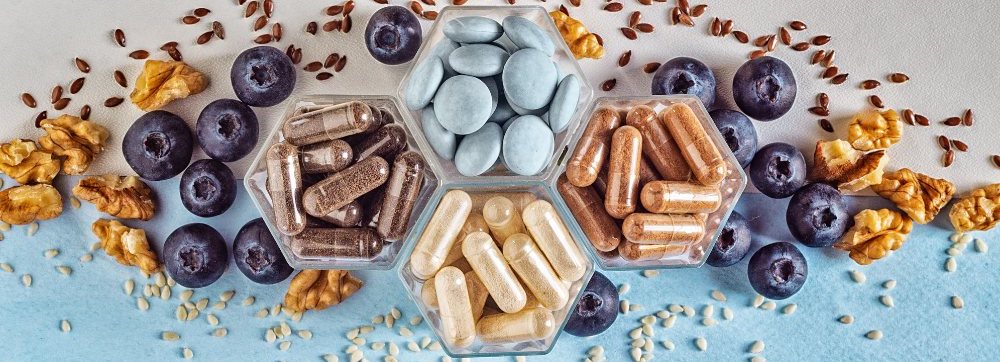
First off, what is a dietary supplement? According to the Ministry of Health:
Dietary supplements are defined as “foodstuffs the purpose of which is to supplement a normal diet and which are a concentrated source of nutrients or other substances with a nutritional or physiological effect”.
The main idea to keep in mind when talking about dietary supplements for sleep, better focus, or boosting immunity, for example, is that these products are there to supplement the intake of essential nutrients provided by a healthy and varied diet. Basically, no matter how much you stuff yourself with your choice of gummies, ampoules, or capsules, if you're eating burgers while glued to your couch, it's pointless.
Next, to know which solution to adopt to get back to a good night's sleep, you first need to know why you aren't sleeping or why your sleep disorders persist despite everything you're trying.
Does the problem come from falling asleep, night wakings, or your REM sleep? The sources of sleep disorders can be multiple.
Your lack of sleep can come from significant stress (which is actually the number one cause of insomnia) but also from a medical condition: don't hesitate to consult a professional to find out what's wrong with your sleep!
That being said, if you've already tried all the natural tips and pro advice to overcome sleep deprivation (we're nice, we'll remind you of them below) and you want to learn about healthy and effective supplements, here is a small selection.
Magnesium
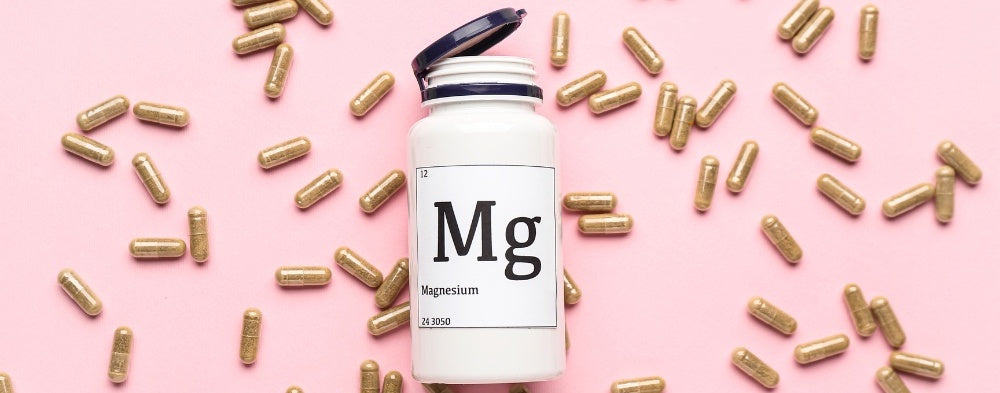
This is a fairly well-known sleep supplement, renowned for its relaxing effects.
Indeed, this mineral, naturally present in your body, is involved in over 300 different functions of your metabolism, particularly the nervous system. Magnesium has an effect on anxiety, stress, falling asleep, and fatigue: see where we're going with this?
But just popping magnesium isn't enough to sleep well; you need to choose a form your body can absorb! That's why experts recommend taking magnesium threonate or magnesium bisglycinate, as these are the forms that pass most effectively from your digestive system into your blood and then to your brain.
Finally, if you're using magnesium to compensate for a lack of sleep, we advise taking it 30 minutes to an hour before going to bed to benefit from its relaxing action.
Glycine (the amino acid, not the plant!)
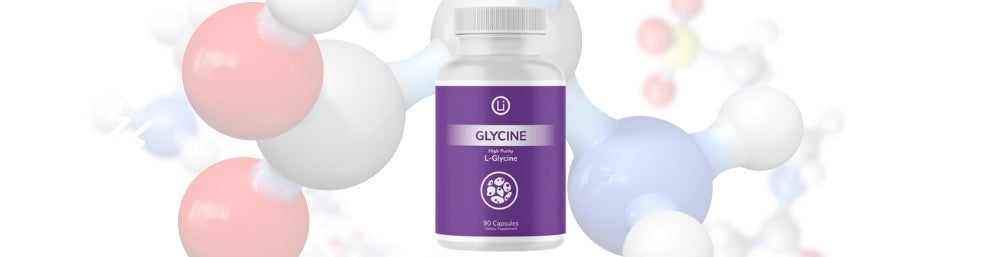
Glycine is an amino acid naturally produced by your body that acts as a brain neurotransmitter. Studies have shown the beneficial effects of glycine on falling asleep and sleep quality: it not only reduces the time it takes to fall asleep but also helps you wake up feeling less tired in the morning.
Here too, it is recommended to take it in the evening for faster sleep onset and deep sleep.
Apigenin

Apigenin is a chemical compound (a flavone, to be precise, if you want to sound smart at parties) that you can find in certain plants, especially chamomile. Renowned for its relaxing effects, it is also a natural antioxidant and anti-inflammatory.
A quick warning: high doses of apigenin can affect the action of female hormones, particularly estrogen. We advise you to check with a healthcare professional to see if and at what dosage this treatment might be suitable for you.
Theanine

Another amino acid, but this time, it can be found in tea! L-Theanine is said to directly induce the production of alpha waves, those brain waves that indicate a calm, serene, and relaxed state conducive to sleep, which we observe during yoga sessions or meditation.
However, since green tea also contains a powerful stimulant, we advise you to take this compound in the form of a dietary supplement: sleep gummies, capsules, or ampoules.
Warning: theanine is strongly discouraged if you suffer from night terrors or sleepwalking. As always, we advise you to talk to your doctor before doing so!
The case of melatonin
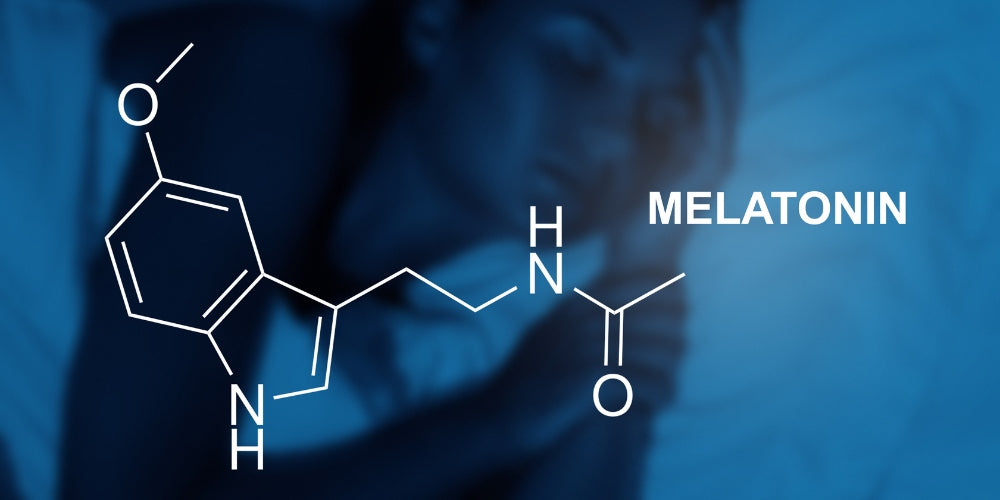
If you are looking to rediscover restorative sleep, you have surely already heard of melatonin, also called the sleep hormone, which is supposed to promote peaceful sleep and faster sleep onset.
Even if it is tempting to give in to the siren calls of marketing and rush to buy the many commercial melatonin-based supplements, we remind you that it is a hormone whose effects on the body remain unclear: apart from its impact on sleep, melatonin is also said to have effects on the cardiovascular system, gonadal function, bone density, and the immune system, to name just a few.
Moreover, this hormone is naturally produced by your body according to the seasons and the circadian rhythm: an imbalance in its dosage can have consequences for your body and its functioning.
Finally, we would like to draw your attention to the fact that melatonin-based dietary supplements are not recommended in certain cases, due to possible side effects. Indeed, as part of the national nutrivigilance system, Anses has received several reports of adverse effects related to melatonin consumption, such as:
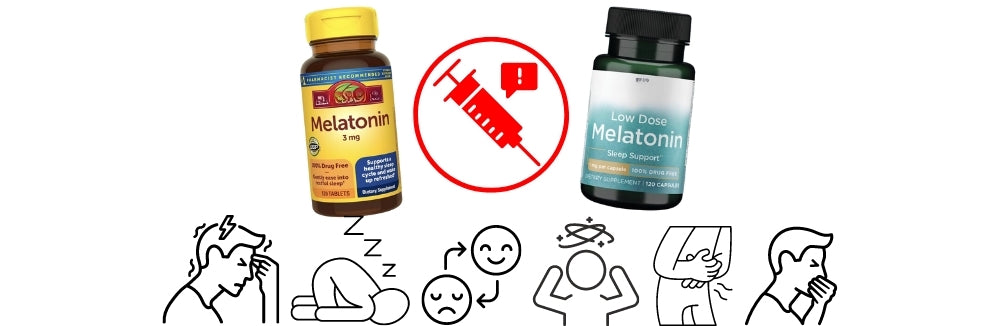
- headaches,
- dizziness,
- drowsiness,
- tremors,
- nausea, vomiting, abdominal pain,
- mood disorders, irritability
It is for these reasons that Anses recommends that certain populations avoid consuming dietary supplements containing melatonin (pregnant and breastfeeding women, children, adolescents, people suffering from autoimmune or inflammatory diseases, epilepsy, asthma, mood or personality disorders) and recommends limiting the intake of these supplements to occasional use, always supervised by a healthcare professional.
We therefore advise you to rather look for alternatives to melatonin to regain quality sleep.
💡 To go further on this fascinating subject, read our complete dossier on melatonin and blue light!
A few details on sleep dietary supplements
We suspect you want to test everything to fight insomnia and finally enjoy a good night's sleep, but there's no need to test everything at the same time! Focus on a small amount of mineral, plant-based, or other sleep formula supplements to find out what works (or doesn't) for you.
Watch out for digestive tolerance! Some people will tolerate one component or another less well and will exhibit more or less pronounced side effects. That's why it is important to be monitored by a professional and to take the dietary supplements for sleep that are best suited to your state of health.
Our ultimate tips for rediscovering sleep
We told you above, before starting a course of dietary supplements for healthy sleep, you must first identify and correct the bad habits that prevent you from sleeping better.
- ☀️ Watch out for the impact of light on your sleep: we are obviously talking here about artificial blue light, which disrupts your circadian rhythm, but also natural light which plays an important role in regulating your sleep. Experts advise exposing yourself to sunlight within the hour following your waking up in the morning to activate cortisol production, then gradually decreasing your exposure to sunlight in the afternoon, to then dim the lights at the end of the day. We also recommend that you protect yourself as much as possible from artificial blue light by reducing your screen time and getting equipped with quality blue light blocking glasses.
- ⌚️ Set regular schedules: for both bedtime and wake-up time, it is important to stick to a consistent time frame to give your body good habits and regulate your sleep.
- 💪 Adopt a healthy lifestyle: we aren't saying this just to sound nice, but for your own good, promise! In practice, exercise more, eat a balanced diet, and stay well-hydrated to give yourself every chance to sleep better. It is proven that exercising is a natural relaxant in addition to having numerous other benefits for physical and mental health. On the nutrition side, a healthy and balanced diet will provide you with everything you need to perform well and sleep daily!
- 🙏 Fight against anxiety: we know, stress is THE number one cause of poor sleep. And because mental health is important, it is essential to take care of it: find our method here to find sleep when you are stressed!
- ☕️ Beware of coffee! Even if you are addicted to caffeine, you are undoubtedly aware that it is not the best thing for your nights. Limit your consumption to a maximum of 3 cups of coffee per day, ideally no less than 6 hours before going to bed.
- 🎧 Invest in sleep accessories: as a last resort, you can also test sleep headphones or a weighted blanket, for example.
💡 Good to know: to become an expert on the subject, we advise you to read our complete guide with all our tips for sleeping well and finally find restful nights!
Final word: dietary supplements for sleep
- 🥱 If you're tired of struggling to reach the arms of Morpheus, you may want to turn to dietary supplements for better sleep. Caution: sleeping better is above all about good habits. Supplements give a helping hand, but do not replace a healthy lifestyle.
- If nothing works and you don't sleep well, a dietary supplement based on magnesium, glycine, apigenin, or L-theanine may be recommended to help improve your sleep onset and mitigate night wakings. It is generally taken before sleep to benefit from its effects.
- ❌ We advise against the use of melatonin, whose effects are still poorly understood. Let your body secrete it naturally, and turn to other alternatives.
- 🫖 You can also test plants for sleep: certain substances present in herbal teas, for example, are conducive to relaxation and act on your quality of sleep. We see you coming; we are indeed talking about legal products with no health risks!
- ⚠️ Before you rush to a miracle supplement for sleep disorders, we advise you once again to stack the odds in your favor by adopting a sleep routine with regular schedules, protecting yourself from artificial blue light, limiting your caffeine consumption, and taking action against anxiety. Also keep in mind that supplements are there to supplement (as their name suggests) the intake of a balanced diet.