


Sleep apnea is a condition that should be taken very seriously, but its classic treatment, the CPAP mask, is cumbersome and sometimes poorly tolerated.
But recently, natural alternatives are emerging, validated by science: breathing techniques, mouth taping, sleeping positions, etc.
American journalist James Nestor explored the topic in his book Breath (in French: Breather, the extraordinary power of breathing). We summarize the essentials you need to know and explain which tips you can try at home to limit sleep apnea.
What is sleep apnea?

Let's lay the foundations with the definition of this pathology according to health insurance:
Sleep apnea, or obstructive sleep apnea-hypopnea syndrome (OSAHS), is a nocturnal breathing disorder caused by the abnormally frequent occurrence of respiratory pauses. This syndrome is caused by repeated episodes of obstruction of the respiratory passages in the back of the throat.
(Source: sleep apnea file on Ameli, in French)
Basically, it's when your breathing stops several times during the night, unconsciously and involuntarily. These breathing pauses can last up to a minute and repeat themselves several times during your sleep.
There are two types of sleep apnea:

- Obstructive sleep apnea: the most common. The throat muscles relax and block the passage of air.
- Central apnea: much rarer . In this case, it is not a physical blockage, but is linked to neurological causes that lead to a disruption of the respiratory system.
You can even suffer from mixed apnea, a mixture of the two. But this is the most common obstructive apnea.
But then, if it happens when you're sleeping, how do you know if you have sleep apnea?
If you don't sleep alone, your partner might point it out to you, because suddenly starting to breathe again in the middle of the night isn't very discreet.
And there are also symptoms and consequences that may alert your doctor. Patients with sleep apnea often describe:

- 🫁 Breathing pauses : the most obvious, and as we said, is observed by the partners.
- 😴 Chronic fatigue : a bit like suffering from micro nighttime awakenings , or sleep disorders, the quality of sleep is impacted.
- 🤕 Headaches : especially in the morning. This is due to poor oxygenation and increased cranial pressure (all caused by apnea).
- 😵 Concentration problems : difficulty concentrating during the day
- 💣 Irritability , mood swings
- 🔊 Excessive snoring : Mostly seen in people with obstructive sleep apnea
- 😱 Frequent waking up , with the inevitably pleasant feeling of suffocation
- 👄 A dry mouth when you wake up
- 🚽 More frequent urges to urinate at night (nocturia)
If left untreated, sleep apnea can have long-term consequences on your health, including increased risks of cardiovascular disease (high blood pressure, myocardial infarction, stroke, heart rhythm disorders, heart failure, etc.) or chronic metabolic diseases (diabetes, insulin resistance, obesity).
Therefore, proper treatment is essential to improve sleep quality and prevent complications.
What are the traditional treatments for sleep apnea? CPAP mask and mandibular advancement device

Hygiene and dietary measures: essential
Whether the apnea is mild or severe, lifestyle and dietary measures are essential. They can help alleviate severe symptoms and can even resolve mild apnea.
If you suffer from sleep apnea, you will need:
- ⚖️ Lose weight if you have extra pounds
- 🚭 Quitting smoking , which is always aggravating when it comes to respiratory problems
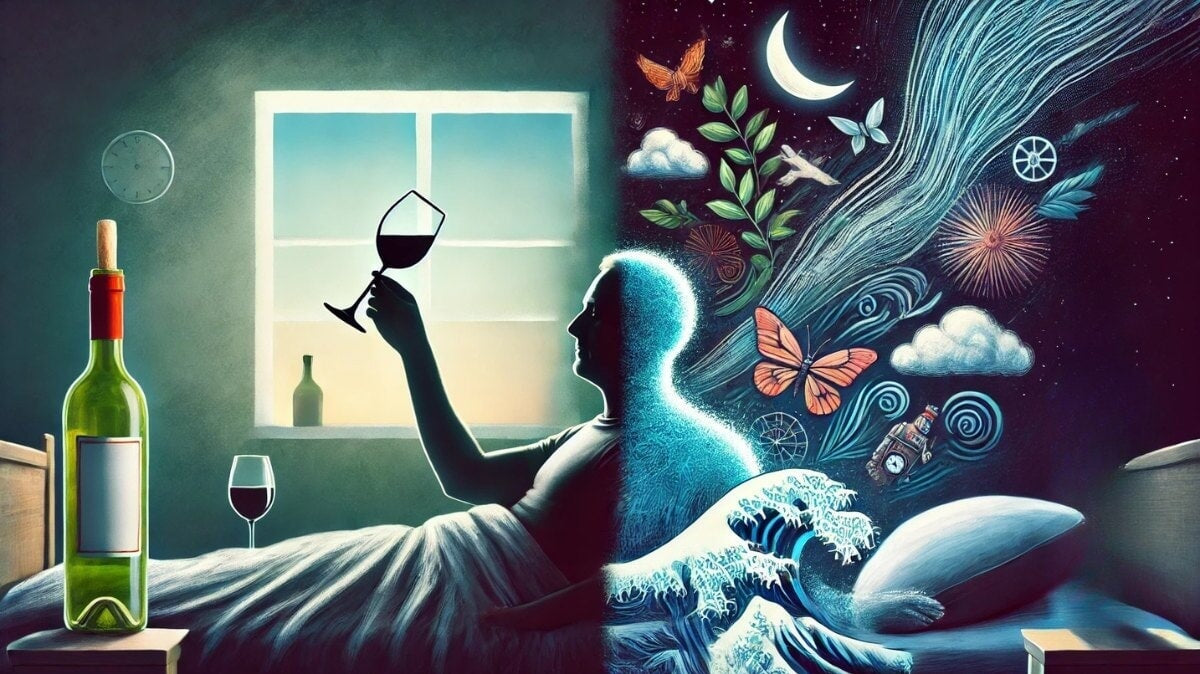
- 🍺 Reduce alcohol, especially in the evening , as alcohol is never good for your sleep.
The CPAP mask: an effective and often prescribed treatment...

The most commonly prescribed treatment for people suffering from sleep apnea is the CPAP mask (for Continuous Positive Airway Pressure). This device consists of a breathing mask connected to a device that will continuously send pressurized air into the airways at night, to prevent them from closing.
This continuous positive airway pressure treatment is known for its effectiveness in maintaining clear airways, making it the treatment of choice for many sleep specialists.
...but with some limitations
However, it's a large piece of equipment that requires a significant amount of time to adjust to. Additionally, wearing the mask can be uncomfortable, and many people with sleep apnea have trouble tolerating the mask and/or the noise of the machine.
Indeed, in the first year, a large number of patients abandon CPAP therapy and many reduce the time they wear it at night, which reduces the effectiveness of the device. An analysis of data from the French National Health Data System (SNDS) revealed that 47.7% of patients stopped their treatment after 3 years: that's almost one in two patients!
Sleep apnea can be treated without a device in some cases, such as using a mandibular advancement device. These look like dental splints, much like a boxer's mouthguard. Their purpose is to slightly advance the lower jaw during the night, which helps keep the airway open during sleep in patients with mild to moderate apnea.
⚠️ Obviously, we don't recommend stopping your sleep apnea device without talking to your doctor: as we saw above, this disorder can have consequences on your health. If you have problems with your CPAP machine, talk to a specialist to find a more comfortable treatment option.
What Are the Alternatives to CPAP Masks? Non-Device Treatments According to James Nestor

Here, we'll look at breathing habits to help treat sleep apnea without necessarily resorting to a device. And to do that, we've read Breath: The New Science of a Lost Art by James Nestor, which explains the benefits of breathing on your body, particularly when it comes to sleep apnea.
This book draws heavily on science and recent research on breathing. We'll decipher the key points with you!
Breathing well can be learned
In his book, James Nestor reminds us that breathing is one of our body's most essential functions, but also one of the most poorly controlled. Indeed, many of us breathe in a jerky, rapid, or shallow manner. Good news: breathing can be trained and corrected!
The Importance of Nasal Breathing

Did you know that breathing through your nose is incredibly important and much better than breathing through your mouth? Nasal breathing is the most effective way for our bodies: the nose is a real filter that purifies and humidifies the air before it enters our lungs.
And that's not all! When you breathe through your nose, you activate the production of nitric oxide (NO), a gas that helps dilate blood vessels and improves oxygen circulation.
Finally, nasal breathing helps improve posture, reduce stress and improve the quality of sleep, especially for people suffering from apnea.
If you want to go further, here is a video from the BBC, where James Nestor will tell you everything about nasal breathing.
Slow breathing

When we breathe slowly, it will activate the parasympathetic nervous system, the one of relaxation and calm, to reduce stress, lower heart rate and blood pressure. It also has a positive effect on oxygenation, concentration and sleep.
We offer you a second video, still by the BBC, still in English, still with James Nestor: 3 breathing exercises for better health.
Mouth taping

Another English term, but a very simple idea: by placing a small piece of adhesive tape over the mouth at night, you encourage nasal breathing. Okay, it may sound a bit barbaric like that, but according to James Nestor, it can really make a difference if you have trouble with nasal breathing at first. And it's also an avenue to explore in the treatment of sleep apnea.
What are some natural ways to relieve sleep apnea?
Adopt the correct posture for sleeping
In Breathe, James Nestor also discusses the importance of posture during sleep. For example, it's known that sleeping on your back can increase the risk of snoring or sleep apnea, while sleeping on your side promotes smoother breathing. This is the sleeping position recommended by many sleep doctors and other specialists.
And sleeping on your stomach? This is also not recommended, because even if it helps with snoring, this position can cause tension in the neck and spine.
Strengthen your upper airway

As we saw above, one of the main causes of sleep apnea is the collapse of the upper airways causing obstruction.
It's only logical that strengthening these airways can be a key asset in your treatment. You can use breathing techniques or muscle therapies.
Targeted exercises, such as the Buteyko method, can also help strengthen the muscles of the throat and pharynx.
Have a better lifestyle

A healthy lifestyle plays a crucial role in managing sleep apnea.
Indeed, losing 5 kg of weight can make a difference (in cases where sleep apnea is linked to being overweight, of course) and regular physical activity is extremely beneficial for your cardiac and respiratory systems.
Practice cardiac coherence and meditation

If you want to go even further with relaxation and breathing techniques that are beneficial for your sleep (among other things!), we recommend trying cardiac coherence to sleep better. Finding the best type of meditation for you can also be an avenue to explore.
And don't hesitate to consult a professional
Finally, don't forget that this remains a health problem that should not be taken lightly: consult your practitioner regularly and don't hesitate to seek help from a health professional trained in the treatment of apnea (ENT, respiratory physiotherapist, speech therapist, etc.).
The final word: sleep apnea, what are the alternatives to CPAP treatment?
What is sleep apnea?
Sleep apnea is characterized by pauses in breathing during the night. It can be obstructive (temporary airway blockage) or central (a rarer neurological disorder). These pauses lead to frequent awakenings, snoring, and chronic daytime fatigue.
What are the treatments for sleep apnea?
Treatment depends on severity. For severe cases, the CPAP mask remains the most effective method. In mild to moderate cases, or if the mask is not tolerated, alternatives exist: mandibular advancement device, lifestyle changes, breathing exercises, improved sleep posture, and strengthening of the upper airway muscles.
Can sleep apnea be improved naturally?
Certain habits can help reduce symptoms: quitting smoking, limiting alcohol in the evening, losing weight if overweight, practicing breathing exercises, or strengthening upper airway muscles. Sleeping on your side can also help in cases of positional sleep apnea.
Can sleep apnea be treated without a mask?
Yes, for some mild to moderate cases, there are alternatives to CPAP, including:
-
Mandibular advancement device to keep airways open
-
Breathing exercises and upper airway muscle strengthening (slow breathing, Buteyko method…)
-
Lifestyle improvements: weight loss, reduced alcohol and tobacco, physical activity
-
Optimizing sleep posture (sleeping on your side)
These methods are mainly effective for prevention or mild cases. Medical follow-up is recommended to ensure the apnea is not severe.
When should you see a doctor?
If symptoms persist, worsen, or cause significant daytime fatigue, a sleep study is necessary to determine the severity of apnea and choose the appropriate treatment.

Comments
It is amazing , the medical field , can’t find a less obtrusive technique to solving sleep apnea. .