


Picture this: one morning, you’re stuck in bed, your neck stiffer than ever. You try to turn your head and… ouch! The pain brutally reminds you that your neck has decided to rebel.
Don’t panic! Before you rush off to the pharmacy, there’s someone who always has a natural solution close at hand: Grandma Solo. Between her miracle herbal teas and homemade poultices, she’s spent her life treating everyday aches and pains… and neck pain? Grandma knows a thing or two about it.
In this article, we’re opening Grandma’s spellbook to find natural remedies to relieve your pain.
What is neck pain and why does it happen?

Before revealing all her secrets, here’s a quick anatomy lesson by Grandma.
The cervical vertebrae are the vertebrae located in the neck that support the head.
They play an essential role in your mobility and posture, as they allow movements of the head and neck.
Basically, it’s thanks to these seven vertebrae that you can lift your head, lower it, turn it to the right or to the left…
Sometimes, you may feel pain or stiffness in the neck that can spread to other parts of the body such as the shoulders, arms, or hands.
In some cases, this symptom may also be accompanied by headaches. This is known as cervicalgia.
What are the main causes of neck pain?
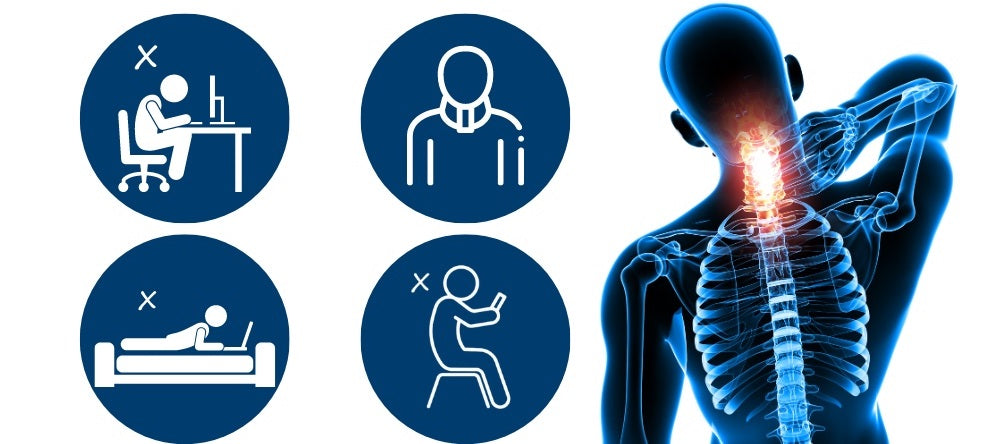
Several reasons can explain neck pain, the main one being muscle tension.
The most common causes also include:
- 💤 poor posture or a bad sleeping position
- 👷 poor posture while working (by the way, we’ve got a whole guide on workstation ergonomics just for that)
- 😩 an awkward movement (if it’s never happened to you, don’t laugh—it will)
- 🤕 trauma or physical injury (a blow to the head or a fall, for example)
- 😖 a neck sprain
- 😱 muscle tension caused by stress or anxiety
- 📱 excessive screen use leading to text neck
- 🩻 a chronic condition such as cervical osteoarthritis
- 🧓 age-related wear and tear of joints and muscles
What impact does it have on everyday life?
Everyone has experienced neck pain at some point—it’s nothing new or inherently serious. Most of the time, it goes away quickly.
That said, it can make certain everyday actions difficult, like turning your head or driving (and we’re not even talking about sports 😳).
Nothing alarming, but oh so inconvenient!
And when the pain becomes too intense, it can lead to other symptoms such as:
- 🤯 headaches
- 😵💫 dizziness
- 😢 back pain
- 😴 sleep disturbances
- 😶🌫️ blurred vision
- 🥱 fatigue
- 😠 irritability—being in pain really gets on your nerves!
Luckily, our national Grandma is always full of good advice.
She’s shared a few simple and effective techniques to quickly relieve the symptoms.
Grandma’s remedies to relieve neck pain: our top 6
Grandma has seen a lot in her lifetime! Here are her 6 favorite home remedies to save your neck.
1- Green clay 💚
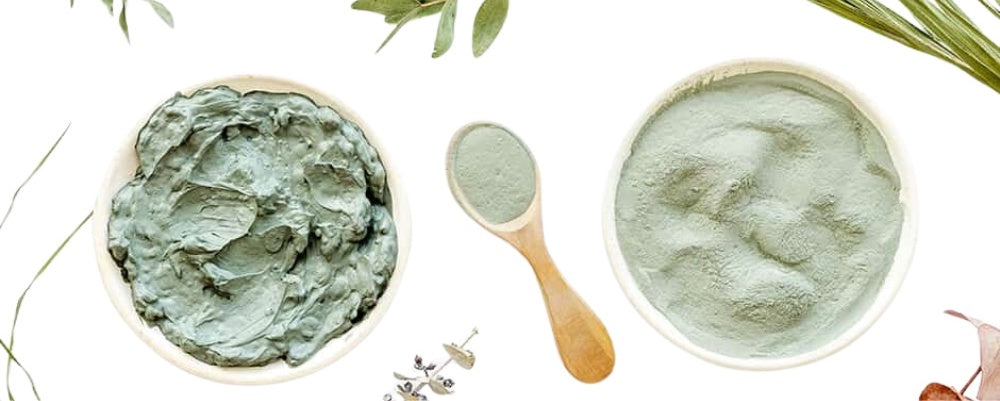
This is an old remedy known for its effectiveness against neck pain thanks to its pain-relieving and anti-inflammatory properties.
It acts directly on muscles and bones.
It also helps reduce muscle tension and soreness by remineralizing the joints.
How to use it:
To make a green clay poultice, mix some clay powder with lukewarm water until you get a smooth paste.
Then apply this paste in a thick layer (2–3 centimeters) to your neck and leave it on for about 20 minutes.
2- Essential oils 🫒

It’s impossible to talk about grandma’s remedies without mentioning her best allies: essential oils.
Some are known for their anti-inflammatory and anti-rheumatic properties, while others are favored for relaxing muscles and reducing tension.
To treat neck pain, you can use:
- camphor rosemary for an immediate effect. A local anesthetic, camphor acts directly on muscle tension.
- lemon eucalyptus for its anti-inflammatory, pain-relieving, and antispasmodic properties.
- arnica to relax muscle contractures.
- peppermint, known for its soothing and refreshing properties. Its analgesic effect helps reduce pain.
- wintergreen, very effective against muscle and joint pain, providing quick relief.
- lavender, which, thanks to its calming properties, helps reduce stress and relieve muscle tension.
How to use them:
They must not be used undiluted.
You can dilute a few drops in a neutral carrier oil (such as sweet almond oil).
In general, one drop of essential oil is recommended for every four drops of carrier oil.
Be careful: essential oils are not recommended for pregnant women or children. It’s important to seek advice from a healthcare professional before using them.
3- Medicinal plants: blackcurrant and devil’s claw 🌿
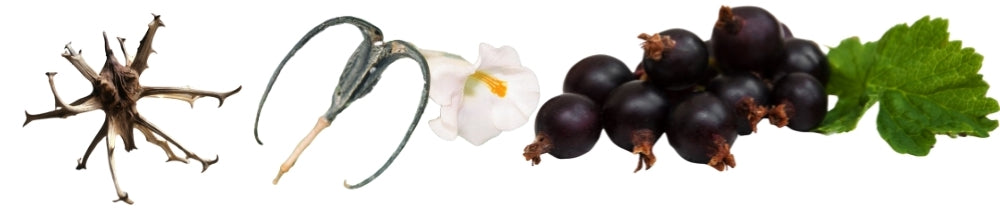
🫐 Blackcurrant: tasty and good for you
Some plants have soothing effects on neck pain, especially blackcurrant, which offers many health benefits.
This anti-rheumatic plant, with anti-inflammatory and antioxidant properties, can be used in cases of joint and muscle discomfort.
How to use it:
You can consume it directly or as a herbal tea or infusion, as a dietary supplement, or even as juice.
🌺 Devil’s claw, the superstar of medicinal plants
Also known as harpagophytum among plant enthusiasts, this herb is often used to relieve osteoarthritis symptoms.
Thanks to its anti-inflammatory action, it helps support joints and muscles.
As a natural pain reliever, it can also help ease the pain associated with neck pain.
How to use it:
Devil’s claw can be taken as a herbal tea, in tablet form, or as a topical ointment applied directly to the painful area.
4- Epsom salt 🧂
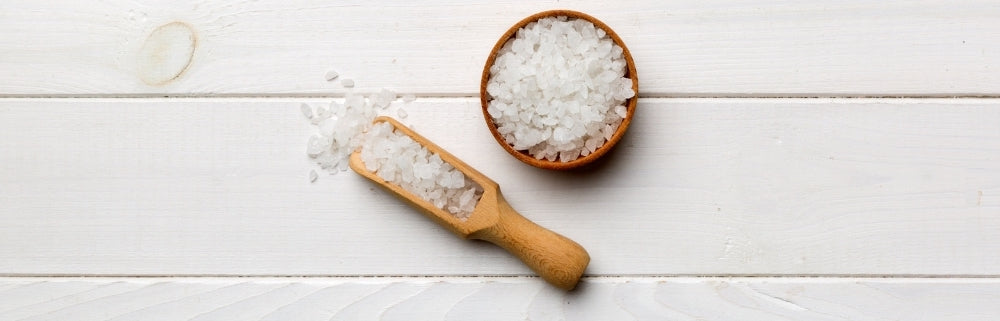
This natural product is rich in sulfate and magnesium, helping to relieve inflammation and promote muscle relaxation.
How to use it:
To help relax tense and sore muscles, pour a large cup of Epsom salt into your bath and soak for 15 to 20 minutes.
5- Heat 🔥

Used since the dawn of time to relieve muscle tension, heat has long proven its effectiveness.
It is highly effective in treating neck pain, promoting muscle relaxation while increasing blood circulation.
How to use it:
You have plenty of options! A hot water bottle, a towel soaked in hot water, a heat patch applied to the neck, a hot bath… choose what you prefer and what works best to help your muscles relax and reduce pain.
6- Cold ❄️

Just like its opposite, cold is an effective way to soothe neck pain.
However, it should be used in the early stages to relieve inflamed neck tissues.
Applying cold to the cervical area helps reduce inflammation and naturally control pain.
The idea is to calm inflammation with cold for 1 to 2 days before switching to heat.
How to use it:
Place a few ice cubes in a towel and apply it to your neck for a few minutes.
Our bonus tips to naturally relieve neck pain

In addition to these simple and natural techniques, you can adopt a few good habits that will have a direct impact on neck pain. As Grandma used to say, “prevention is better than cure!”:
- 💆 practice self-massage: a quick and effective method! Sitting or lying down, make small circular movements with your fingers on your neck and repeat until the pain disappears (or at least eases).
- 🥦 adopt a balanced diet: choose anti-inflammatory foods such as fresh fruits and vegetables rich in vitamins and antioxidants (broccoli, cabbage, berries), fatty fish (salmon, sardines, mackerel) for essential omega-3s, vegetable oils (flaxseed, rapeseed), and spices with anti-inflammatory properties (turmeric and ginger). On the other hand, avoid pro-inflammatory foods as much as possible (processed foods, refined grains, sugary drinks, alcohol), which can worsen symptoms.
- 🏊 stay active: physical activity is well known for its health benefits—and it also helps with neck pain. To strengthen neck muscles, opt for gentle sports such as swimming, yoga, brisk walking, or cycling.
- 🛏️ choose the right bedding: neck pain often comes from poor bedding, especially an unsuitable pillow. Make sure it properly supports your head and neck and avoid pillows that are too flat or too thick. A firm mattress is also recommended to support your spine.
- 🤸 do exercises and stretches: muscle strengthening is very effective in easing neck pain and improving flexibility. If possible, stretch your neck and shoulder muscles every morning and evening for a few minutes.
- 🧘 relax with meditation: did you know stress plays a major role in neck pain? By disrupting the body, it can contribute to chronic inflammation. To prevent this, try relaxation techniques or meditation to lower your stress levels.
- 🫸 pay attention to your posture: “stand up straight!”—your grandma probably told you that a thousand times. Turns out, she was right. Avoid slouching, keep your back straight, and your shoulders relaxed. If you’re interested, we’ve written guides on maintaining a good posture at the office and during your intense gaming sessions!
- 🖥️ position your screen at the right height: long hours in front of screens only worsen neck pain. When working on your computer, make sure your screen is at eye level. When using your phone, bring it up to face height instead of lowering your head. And of course, don’t forget to filter artificial blue light with our screen glasses: it would be a shame to avoid neck pain only to end up with eye strain!
- 🚶 limit prolonged positions: staying still for too long can promote neck pain. Whether sitting or standing, try not to stay in the same position for extended periods and take regular breaks to relax your muscles.
When should you see a doctor for neck pain?

That’s it—thanks to Grandma, you now have plenty of tips to help you kick those nasty aches to the curb.
However, if the pain doesn’t go away after carefully following these tips, we strongly recommend seeing a healthcare professional, especially in the following situations:
- ⏳ if the pain doesn’t improve or gets worse after a week
- 🤔 if the pain appears for no obvious reason
- ⚪ if you feel a lump in your neck
- 🤒 if you have a fever, nausea, or vomiting
- 🐜 if you experience tingling in your limbs
- 🫁 if you have trouble breathing or swallowing
A doctor will then be able to prescribe the appropriate treatment to help relieve the pain.
If the pain is caused by an accident, it is also strongly recommended to seek medical advice so further examinations can be carried out to rule out anything serious.
Final thoughts: grandma’s remedies to relieve neck pain
What is neck pain?
It is pain or stiffness in the neck area that can spread to the shoulders, arms, or hands. In some cases, it may be accompanied by headaches (this is known as cervicalgia).
Neck pain can have many causes, ranging from poor posture and injuries to excessive screen use.
Even though it is usually mild and not serious, neck pain can be a real nightmare in everyday life.
Fortunately, there are several grandma’s remedies that can help relieve this type of pain.
Which natural remedy should you choose: clay, essential oils, or medicinal plants?
Grandma’s remedies for neck pain include essential oils, green clay, medicinal plants, heat or cold therapy, or Epsom salt baths… all of these methods can be very effective in reducing pain.
Be careful with essential oils, however: they are not recommended for young children (depending on age) or pregnant women. Before using them, always seek advice from a specialist or an aromatherapist.
How long should you apply cold or heat for neck pain?
Cold: 5 to 10 minutes, ideally right after the pain starts or in cases of inflammation.
Heat: 15 to 20 minutes to relax muscles and improve blood circulation.
💡 Tip: alternating cold and heat can be very effective, but always respect your skin’s tolerance.
Can neck pain be prevented?
Yes! Good posture, regular stretching, and limiting prolonged positions are essential. Gentle muscle strengthening (yoga, swimming, walking) and suitable bedding also help prevent tension.
When should you see a doctor for neck pain?
It is recommended to consult a doctor if:
- The pain does not go away or worsens after a week,
- It appears without any apparent reason,
- You notice a lump in the neck, tingling, fever, or difficulty breathing or swallowing,
- The pain follows a trauma or accident (fall, blow to the head).
Finally, if neck pain persists despite using natural remedies, don’t hesitate to consult a specialist.



Comments
Bien lu tous les renseignements et conseil sur l’arthrose cervicale. Je me reconnais complètement dans le descriptif j’ai une arthrose cerviv
Sur plusieurs étages des vertebtes depuis des années gâche la vie quotidienne avec les douleurs associée au Stree dans tout le haut du corps merci pour le descriptife
Merci pour toutes ces infos. Je vais essayer certains produits que vous proposez. J espère ainsi atténuer les douleurs.